


PayPal has filed a patent software for a novel technique that may establish when “super-cookie” is stolen, which may enhance the cookie-based authentication mechanism and restrict account takeover assaults.
The danger that PayPal desires to handle is that of hackers stealing cookies containing authentication tokens to log into sufferer accounts with out the necessity for legitimate credentials and bypassing two-factor authentication (2FA).
“The theft of cookies is a complicated type of cyberattack, the place an attacker steals or copies cookies from a sufferer’s laptop onto the attacker’s internet browser,” PayPal says within the patent software.
“With stolen cookies usually containing hashed passwords, the attacker can use an online browser on the attacker’s laptop to impersonate the person (or authenticated system thereof) and acquire entry to safe info related to the person’s account with out having to manually login or present authentication credentials,” it’s additional defined.
System particulars
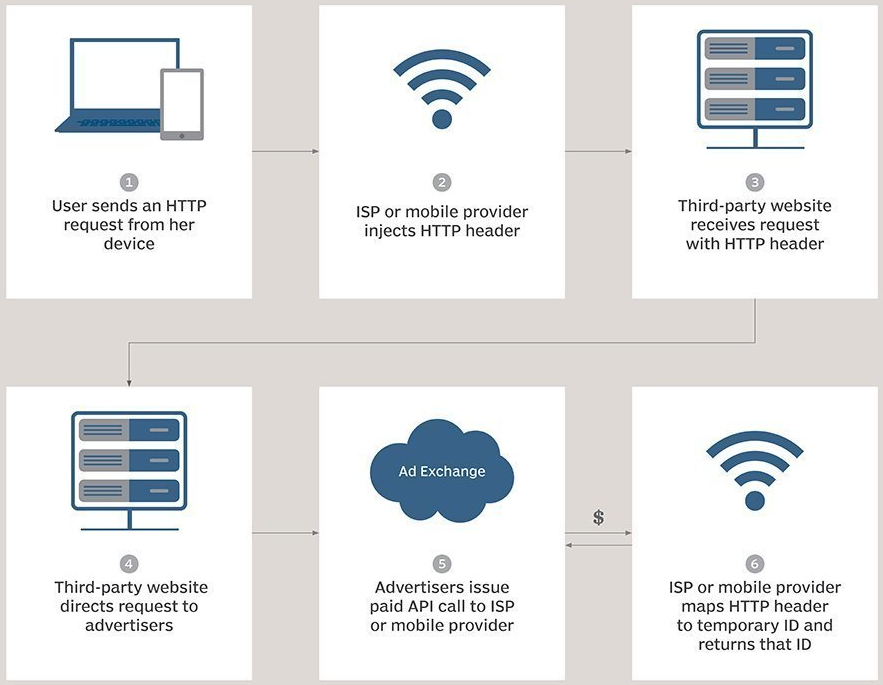
Not like customary cookies saved domestically, super-cookies (additionally known as “Flash cookies”) are Native Shared Objects (LSOs) which are injected on the community stage as distinctive identifier headers (UIDH) by the person’s web service supplier (ISP).
These super-cookies are used primarily for cross-site monitoring, following customers throughout completely different browsers on the identical system, gathering information on shopping exercise, and serving as persistent “system fingerprints.”
Tremendous-cookies are harder to detect and wipe as a result of they don’t seem to be saved within the browser’s customary cookie storage location.
PayPal’s engineers have recognized a technique to calculate a fraud threat rating within the cookie-based authentication mechanism to establish fraudulent login makes an attempt on the digital funds platform.
When a system receives a request for authentication from a person’s system, it identifies the assorted cookie storage areas on the system and kinds them “so as of accelerating fraud threat.”
“A cookie worth for every storage location is retrieved from the system. For every storage location after the firs: an anticipated cookie worth is calculated based mostly on the cookie worth of a previous storage location,” reads the summary of the patent software.
PayPal’s system then assesses a threat rating by evaluating the anticipated cookie values with the values assigned for the system’s storage areas.
“The authentication request is processed based mostly on whether or not the assigned rating for at the very least one of many storage areas exceeds a predetermined threat tolerance for fraud detection.”
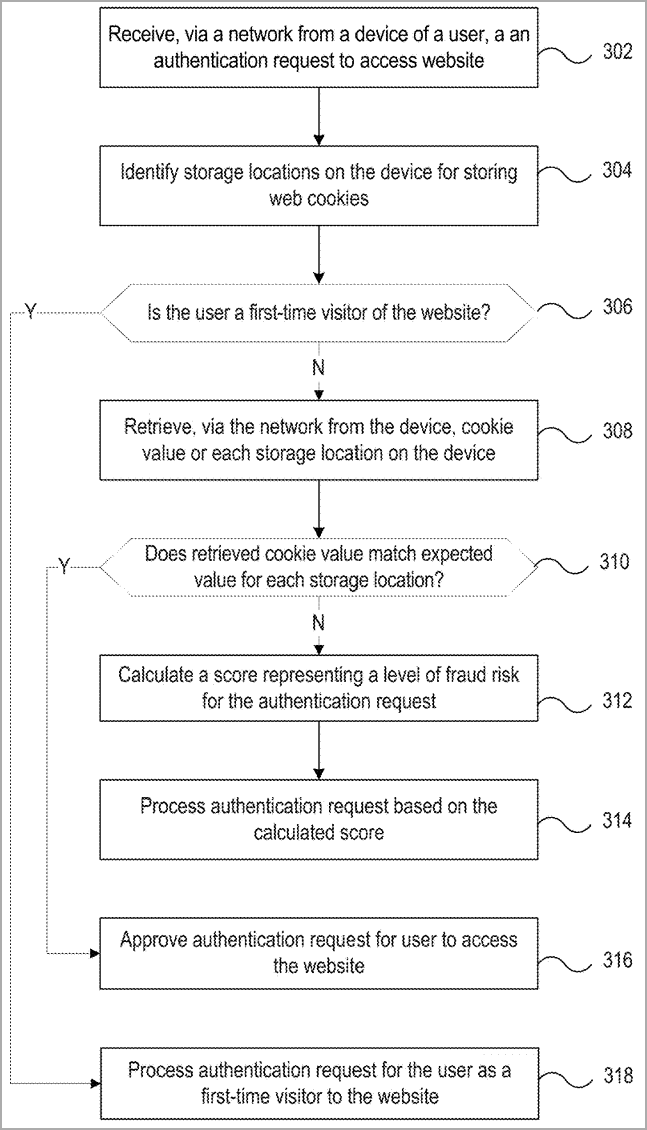
Primarily based on the chance evaluation, the system manages the authentication requests accordingly, accepting, rejecting, or activating extra safety measures for the approval of the login try.
To make sure security towards tampering, the retrieved cookie values are encrypted utilizing a public key cryptographic algorithm.
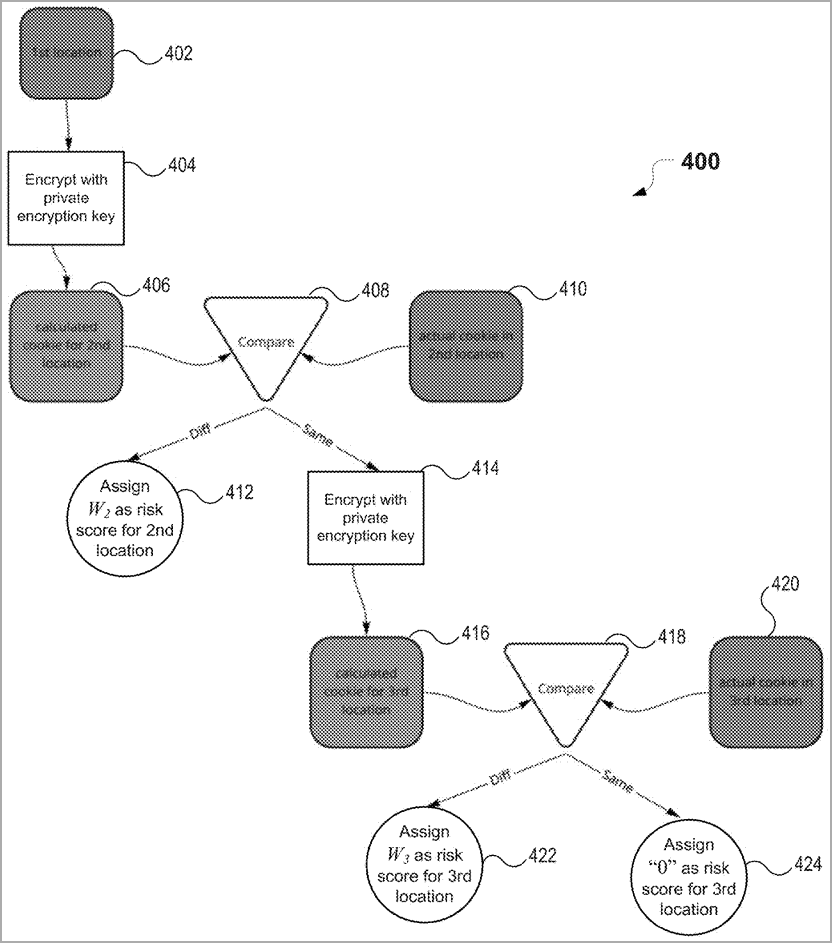
PayPal’s patent describes a technique that goals to defend towards cyberattacks by guaranteeing that cookies are used legitimately throughout the authentication course of.
The digital funds big filed the patent titled “Tremendous-Cookie Identification for Stolen Cookie Detection” in July 2022, and it was printed by the US Patent and Trademark Workplace earlier this month.
As with all patents, there is not any assure that the tech described within the doc will attain shopper portals, in that kind or one other, nevertheless it exhibits that stolen internet cookies for unauthorized logins are sufficient of an issue to deserve new safety mechanisms.